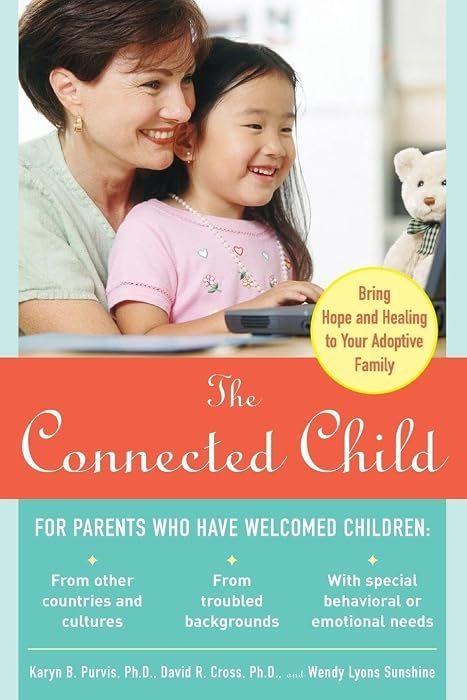
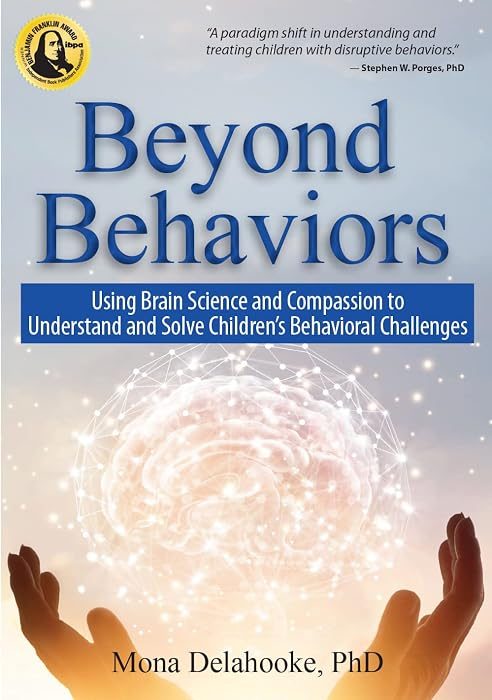
These are practical tools suggested with Trust-Based Relational Intervention (TBRI) principles in mind. They offer simple sensory input—deep pressure from a weighted lap pad, weighted animal, or stretchy sensory sock, gentle movement from a wiggly chair, oral input from chewelry, or a calm visual focus from a sensory bottle—that can help a child’s body settle so connection and felt safety become more possible. Foster and kinship kids often arrive dysregulated; loud noises, big feelings, or transitions can tip them over. None of these tools fix trauma, but many caregivers find them useful in those “I need to help this kid come down right now” moments.
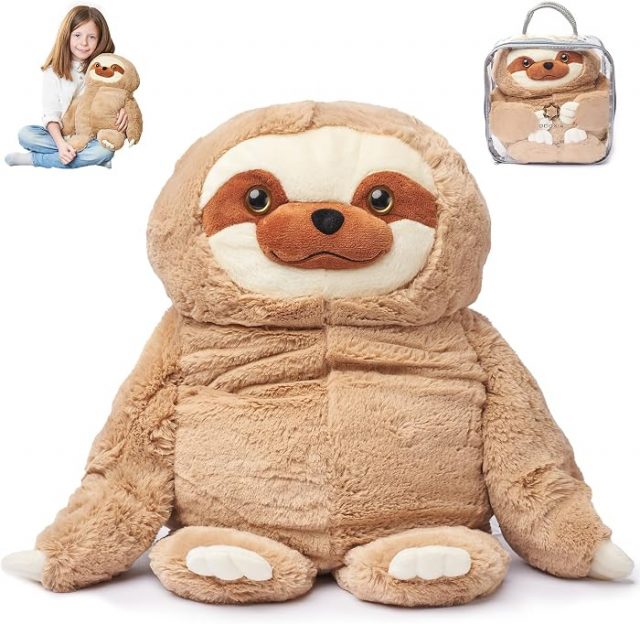
Weighted lap pad or fun weighted animal
Deep pressure input often helps a restless or anxious body feel more grounded. A simple weighted lap pad works across the lap during car rides, homework, or wind-down. A weighted animal can feel more playful and comforting for kids who want something to hug while still getting that steady pressure. Look for washable, kid-sized options.
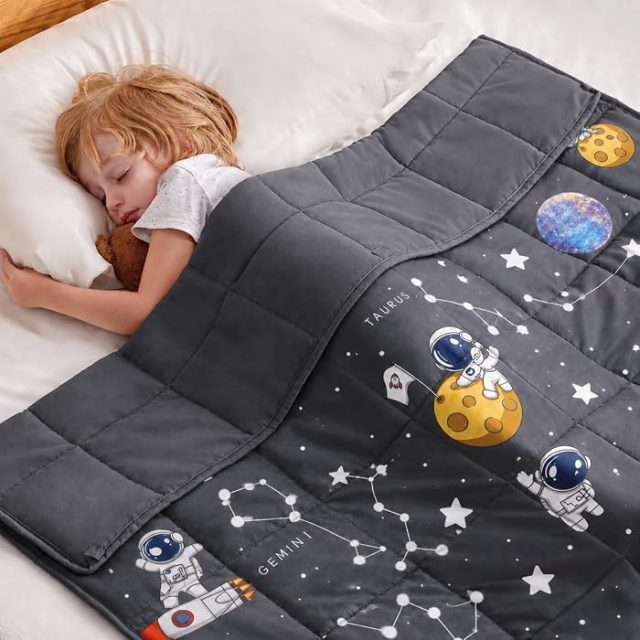
Weighted blanket for sleeping
A properly sized weighted blanket can give steady deep pressure through the night, which some kids find helps them settle and stay asleep longer. Choose one around 10% of the child’s body weight (or follow the manufacturer’s guide), with a washable cover. Useful for bedtime when the house is quiet but the body still feels wired.
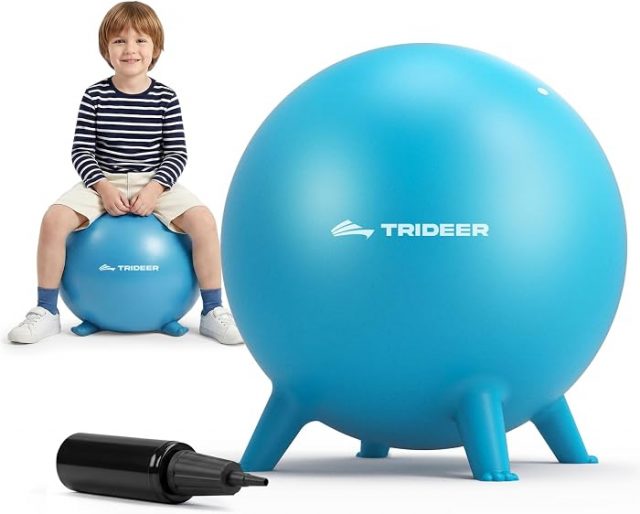
Wiggly chair / active seat
A chair or stool that rocks, wobbles, or allows slight movement while sitting. The low-level motion can help kids who need to fidget stay seated longer without pacing. Helpful at the table for meals, homework, or any seated time when stillness feels impossible.
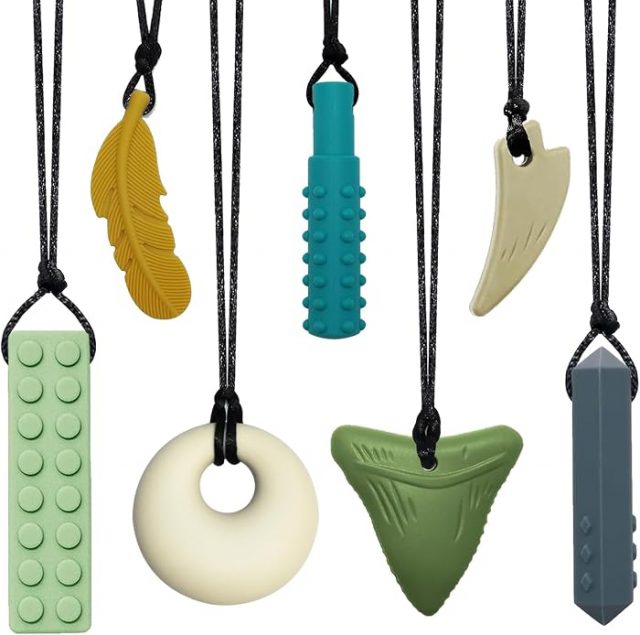
Chewelry / chewable necklace or bracelet
Oral sensory input can replace biting, chewing sleeves, or grinding teeth. Soft silicone versions are discreet and durable. Useful when a child is overstimulated and needs something safe to bite.
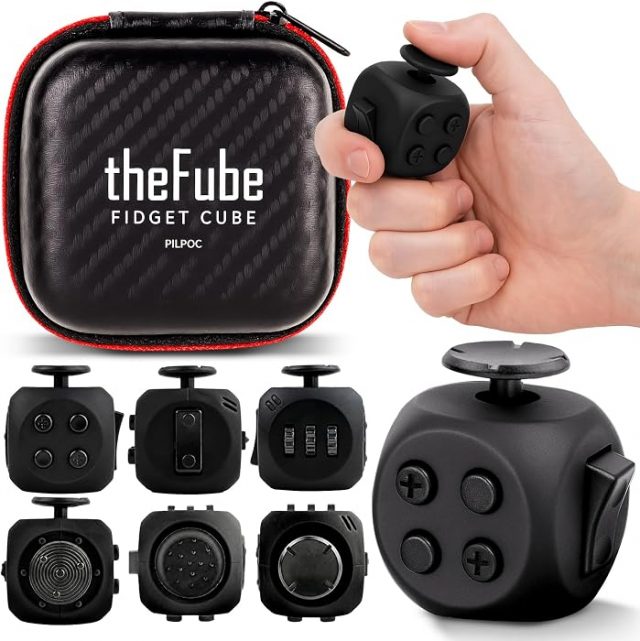
Fidget cube, pop-it, or textured fidget
Hands that need to move can stay occupied without full-body chaos. Keep one in the car, backpack, or calm corner. Prefer quiet versions that won’t break on the first hard squeeze.
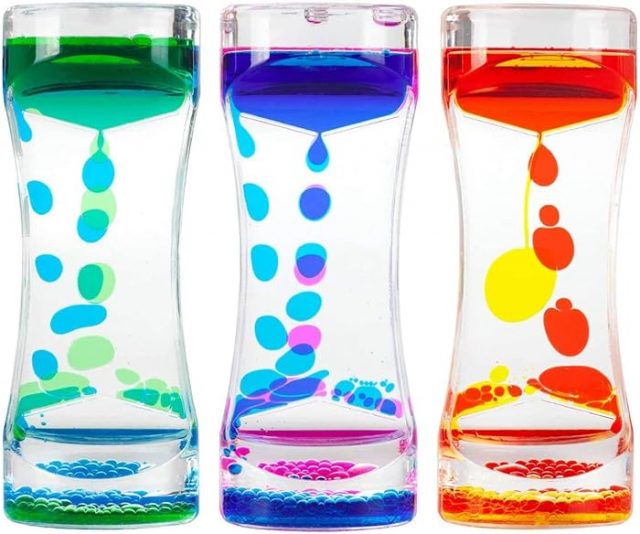
Sensory bottle or liquid motion timer
Watching slow-moving liquid or glitter gives the eyes and brain a calm focus point. Good for transitions or when a child needs a few quiet minutes. Choose leak-proof versions.
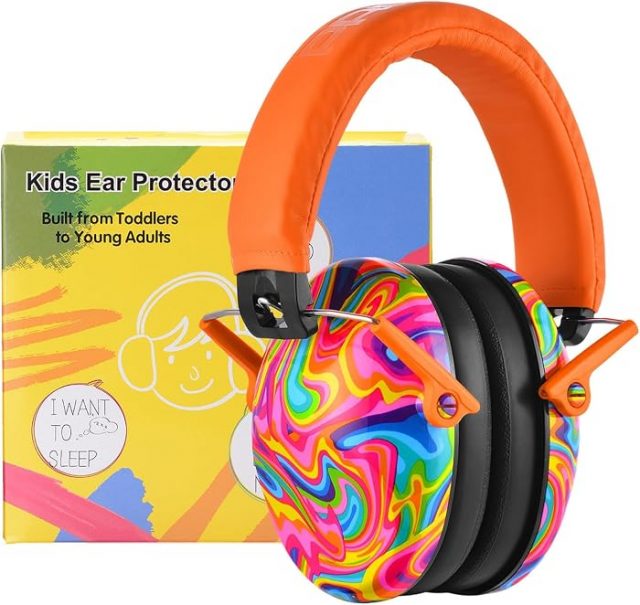
Noise-reducing headphones (kids’ size)
Crowds, sudden noises, or a loud house can overwhelm. These lower the volume without cutting everything out. Helpful for grocery runs, school events, or bedtime in a busy home.
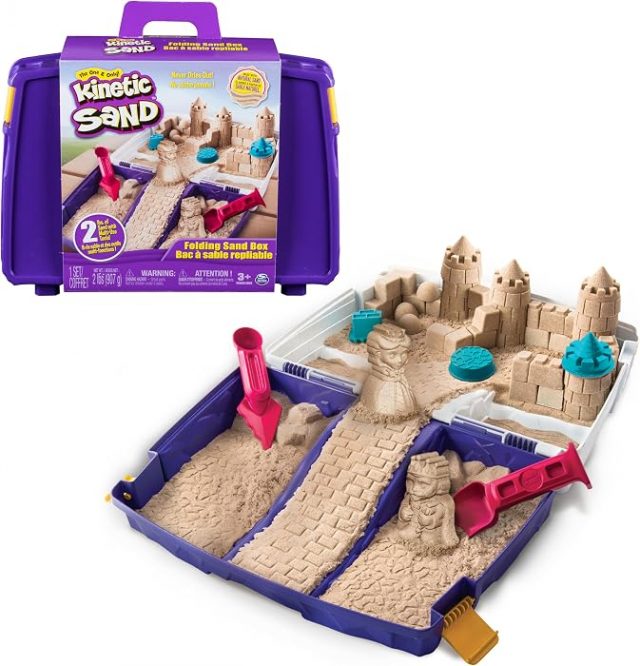
Kinetic sand or small sensory bin kit
Contained tactile play that is repeatable. Some kids dig, scoop, or bury hands when they’re seeking input or trying to self-soothe. Keep it on a tray so cleanup stays manageable.
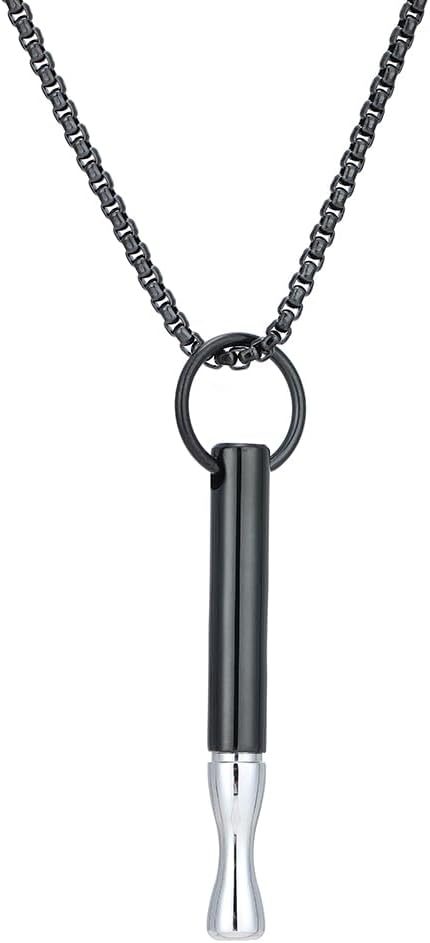
Breathe necklace
A stainless steel necklace with a small tube pendant. Breathe in through the nose, then out slowly through the pendant so the exhale lasts longer. For a foster or kinship child, that gives the body a simple job when feelings get big: in the car, before a visit, or when a transition is hard. Practice it together while things are calm, so it is familiar when it is needed. It is adult jewelry, for an older child who will keep it around the neck.

Sensory body sock
A stretchy body sock gives even pressure over the whole body while a child can still push, stretch, and move inside it. For a foster or kinship child, that can help the body feel located and safer when feelings are big, a room is new, or a transition has left them wound up or shut down. Try it in a calm corner, with you nearby, and choose a size for the child’s height so the face stays clear.